Complete List of Essential Endodontic Instruments – Essential Endodontic Tools
Endodontic procedures—commonly known as root canal treatments—require precision, skill, and above all, the right instruments. A dentist’s efficiency and a patient’s comfort depend largely on the quality and completeness of the endodontic instrument set.
Whether you are a dental student building your first kit or a clinic updating its endodontic setup, this guide lists the essential endodontic instruments every practitioner should have—along with their uses and importance in achieving predictable clinical outcomes.
1. Diagnostic Instruments
Before beginning any root canal procedure, accurate diagnosis is essential. Diagnostic tools help the clinician evaluate pulp status, locate canals, and determine the extent of infection.
Key Diagnostic Tools:
- Dental Mirror: Provides indirect vision and retracts tissues for better visibility.
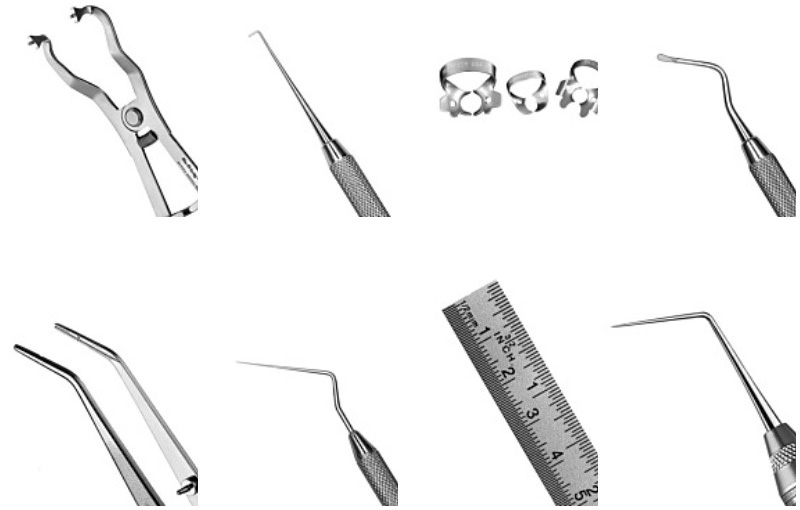
- Explorer (DG-16 Endodontic Explorer): Designed to locate canal orifices accurately.
- Endodontic Probe: Measures pocket depths and evaluates gingival conditions.
- Pulp Tester (Electric or Thermal): Assesses vitality of the pulp tissue.
- Radiographic Instruments: Used for taking pre-operative X-rays to identify canal anatomy.
💡 Tip: Always ensure mirrors are scratch-free and explorers are sharp for precise tactile feedback.
2. Access Preparation Instruments
After diagnosis, gaining proper access to the pulp chamber is the first procedural step. It ensures straight-line entry into the canal system and reduces procedural errors.
Essential Access Instruments:
- Endo Access Burs (Round, Endo Z, Tapered Fissure): Used for cavity preparation and pulp chamber entry.
- High-Speed Handpiece: Enables controlled cutting of enamel and dentin.
- Spoon Excavator: Removes decayed tissue and residual pulp debris.
- Endodontic Spreader / Plugger: Used during temporary filling or canal drying steps.
⚙️ Pro Tip: Endo Z burs are ideal for refining cavity walls without damaging the chamber floor.
3. Canal Preparation & Cleaning Instruments
The cleaning and shaping phase is the heart of endodontic therapy. Proper canal preparation removes necrotic pulp tissue, shapes the canal for obturation, and eliminates microorganisms.
Must-Have Instruments:
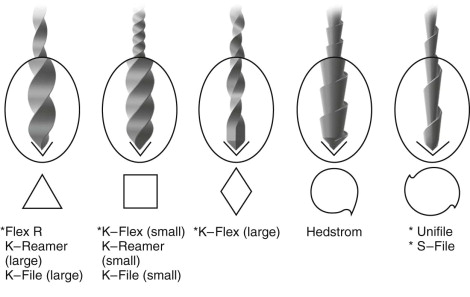
- Endodontic Hand Files (K-Files, H-Files): Used for manual cleaning, shaping, and canal exploration.
- Reamers: Help enlarge canals in a rotary motion.
- Rotary NiTi Files: Increase efficiency and reduce operator fatigue with engine-driven shaping.
- Gates-Glidden Drills: Enlarge canal orifices and create straight-line access.
- Barbed Broaches: Remove pulp tissue remnants.
- Irrigation Syringes and Needles: Deliver irrigants like sodium hypochlorite and EDTA safely.
- Rubber Stopper: Helps control file depth and prevent over-instrumentation.
- Paper Points: Used to dry the canal after irrigation.
🔍 Clinical Insight: Always check for file separation resistance and replace worn-out files regularly.
4. Canal Measurement Instruments
Accurate working length determination ensures the canal is cleaned and filled to the exact apex—neither short nor beyond.
Essential Measuring Tools:
- Apex Locator: Electronic device that determines the canal length precisely.
- Endodontic Ruler / Measuring Block: For setting file length manually.
- Radiographic Film Holders: Maintain consistent angulation for measurement confirmation.
📏 Pro Tip: Combine apex locator readings with radiographic confirmation for best accuracy.
5. Obturation Instruments
Obturation seals the prepared canal system, preventing reinfection. The correct tools and materials ensure a tight, three-dimensional seal.
Vital Obturation Tools:
- Gutta-Percha Points: Main filling material for the root canal.
- Endodontic Spreaders: Laterally compact gutta-percha during cold lateral condensation.
- Endodontic Pluggers: Vertically condense filling material for a denser seal.
- Gutta-Percha Cutter / Heat Carrier: Trims excess filling material coronally.
- Sealer Applicator: Ensures uniform sealer coating inside the canal.
- Obturation Gun (Thermafil / Gutta-Percha Delivery System): For warm vertical compaction techniques.
🔥 Tip: Pre-fit gutta-percha cones before final obturation to avoid overextension.
6. Isolation & Protection Instruments
Maintaining a clean, dry, and aseptic field is vital throughout the procedure. Cross-contamination and moisture can compromise treatment outcomes.
Key Isolation Tools:
- Rubber Dam Kit: Includes dam sheet, frame, punch, forceps, and clamps to isolate the tooth.
- Cotton Rolls & Gauze: Control saliva and bleeding.
- High-Vacuum Suction: Maintains a clear field for better visibility.
🦷 Safety Note: Always test clamp fit before applying the rubber dam.
7. Post-Endodontic Restoration Instruments
Once the root canal is sealed, the tooth must be restored to function. Proper tools ensure long-term stability and protection from fractures.
Common Restoration Tools:
- Temporary Filling Instruments: For sealing access cavity between visits.
- Post Space Drills: Used if a post is required for final restoration.
- Composite Placement Instruments: For esthetic, durable restorations after endodontic therapy.
🛠️ Tip: Always use radiographic verification before post space preparation.
8. Auxiliary & Supporting Instruments
These tools enhance precision, efficiency, and patient comfort throughout the procedure.
Supporting Essentials:
- Endodontic Tweezers / Cotton Pliers: For handling small materials.
- Endo Stand / Organizer: Keeps files arranged by length and size.
- Ultrasonic Tips: Aid in locating calcified canals or removing posts.
- Sterilization Trays: Ensure aseptic handling of instruments.
- Magnification Loupes / Dental Microscope: Improve visibility during canal negotiation.
💡 Advanced Tip: Microscope-assisted endodontics improves accuracy in detecting extra canals and cracks.
9. Maintenance & Sterilization Instruments
Endodontic instruments are delicate and must be properly maintained to ensure longevity and patient safety.
Maintenance Essentials:
- Autoclave: For sterilizing reusable instruments.
- Ultrasonic Cleaner: Removes debris before sterilization.
- Instrument Lubricant: Prevents corrosion and maintains file flexibility.
- Endo Cassettes: Keep instruments organized and protected during sterilization cycles.
🧼 Best Practice: Follow manufacturer’s sterilization protocol to maintain cutting efficiency.
Conclusion
Endodontic success depends not just on skill—but also on the precision, quality, and completeness of your endodontic instrument kit. From diagnosis to obturation, every tool plays a critical role in ensuring patient comfort and clinical efficiency.
Investing in a comprehensive set of essential endodontic instruments helps clinicians perform predictable, safe, and efficient root canal treatments while maintaining the highest standards of care.
Whether you are a practicing endodontist or a general dentist expanding your services, keeping your toolkit complete and updated is key to delivering successful outcomes every time.