Understanding the Role of Apex Locators in Root Canal Therapy – Apex Locator in Endodontics
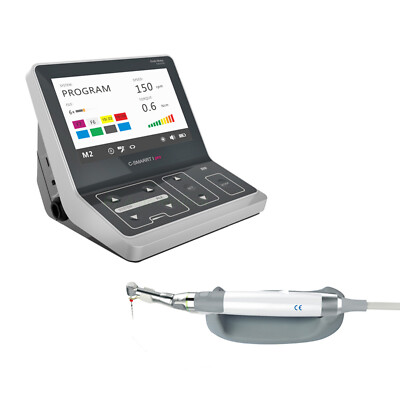
In modern endodontics, technology plays a vital role in enhancing the accuracy, efficiency, and success rate of root canal treatments. One such technological innovation that has revolutionized the way dental professionals determine root canal length is the Apex Locator in Endodontics. This article will help you understand the role of apex locators in root canal therapy, their working principle, advantages, and why they have become an essential part of endodontic practice.
What Is an Apex Locator?
An apex locator is an electronic device used during root canal therapy to determine the working length of the root canal — the precise distance between a coronal reference point and the apical constriction (the narrowest part of the root canal near the root tip).
Accurate working length determination is crucial because it ensures:
- Complete cleaning and shaping of the canal
- Prevention of over-instrumentation (beyond the apex)
- Reduction in postoperative discomfort
- Better long-term success of the root canal treatment
Why Is Working Length Determination Important?
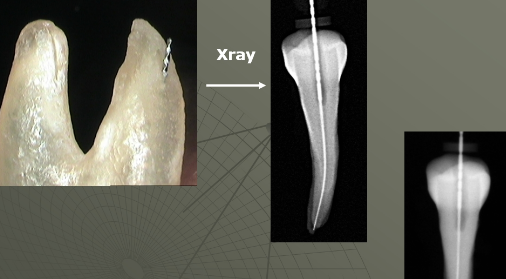
The success of root canal therapy largely depends on how accurately the dentist identifies the end point of canal preparation. If the canal is prepared short of the apex, infected tissue may remain inside, leading to treatment failure. Conversely, if it’s overextended, it can cause irritation or damage to the periapical tissues (Apex Locator in Endodontics).
Traditionally, radiographs were used to estimate working length. However, radiographs provide only a two-dimensional image and may not always reveal the true apex location — especially in curved or overlapping roots. That’s where electronic apex locators come in as a more precise and reliable alternative.
How Does an Apex Locator Work?
An apex locator functions by measuring the electrical impedance or resistance between the periodontal ligament and oral mucosa using low-intensity current.
Here’s a simplified breakdown:
- One electrode clip attaches to the file inside the canal.
- The other electrode attaches to the patient’s lip.
- As the file moves toward the apex, the device detects changes in electrical resistance or impedance.
- When the file reaches the apical constriction, the device signals the dentist with an audio or visual cue.
Modern apex locators are multi-frequency and highly accurate, even in the presence of fluids like blood, pus, or irrigants.
Generations of Apex Locators
Apex locators have evolved over the years, improving in precision and reliability ( Apex Locator in Endodontics):
| Generation | Principle Used | Accuracy & Limitations |
|---|---|---|
| 1st Generation | Simple electrical resistance | Affected by moisture; low accuracy |
| 2nd Generation | Impedance measurement | Improved but still influenced by electrolytes |
| 3rd Generation | Frequency-based ratio method | Accurate in moist canals |
| 4th & 5th Generation | Multi-frequency & adaptive algorithms | Highly accurate, even in various canal conditions |
Advantages of Using an Apex Locator
- ✅ Improved accuracy in determining working length
- ✅ Reduced reliance on multiple radiographs, minimizing radiation exposure
- ✅ Time efficiency, helping streamline the endodontic procedure
- ✅ Increased patient comfort
- ✅ Better treatment outcomes with more precise canal cleaning and obturation
Limitations of Apex Locators
While highly useful, apex locators have some limitations:
- May give false readings in large apical foramina or resorbed roots
- Results can be affected by metallic restorations or poor contact
- Should always be used in combination with radiographs for confirmation
Clinical Application: Best Practices
- Always verify the reading with a radiograph for accuracy.
- Ensure a clean and dry canal before measurement (unless using newer models).
- Calibrate the device as per manufacturer’s guidelines.
- Replace worn-out cables or electrodes regularly for consistent performance.
Conclusion
The apex locator has become an indispensable tool in endodontic practice, offering dentists a more reliable, efficient, and safe way to determine working length during root canal therapy. When used correctly — often in conjunction with radiographs — apex locators significantly enhance the precision and predictability of treatment outcomes.
By understanding the role of apex locators in root canal therapy, dental professionals can optimize their clinical techniques and deliver more successful and comfortable treatments for their patients.