
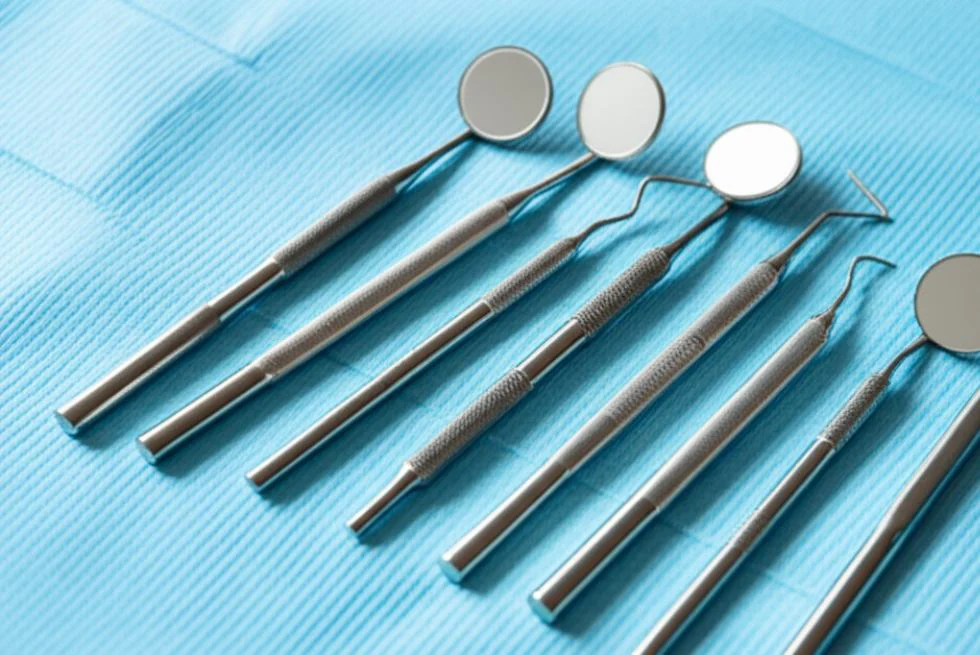
In dentistry, precision and comfort go hand in hand. Dental professionals often perform long procedures that require steady hand control and consistent visibility. While mirror heads usually get the most attention, the handle plays an equally critical role—especially during extended examinations. Choosing between lightweight and standard mirror handles can significantly impact ergonomics, fatigue, and overall clinical efficiency (Lightweight vs Standard Mirror Handles).
Understanding Mirror Handle Types
Dental mirror handles are typically available in two main categories:
- Lightweight Handles: Designed with reduced mass, often made from aluminum or hollow stainless steel.
- Standard Handles: Heavier, solid designs made from stainless steel, offering a more traditional feel.
Each type serves a purpose depending on the clinician’s preference and the nature of the procedure.
Ergonomic Benefits of Lightweight Handles
Lightweight mirror handles are increasingly popular in modern dental practices, particularly for procedures that require extended use.
1. Reduced Hand Fatigue
Less weight means less strain on the fingers, wrist, and forearm. This is especially beneficial during long scaling, diagnostic, or restorative sessions.
2. Improved Maneuverability
Lighter handles allow for quicker and more precise movements, helping clinicians navigate tight intraoral spaces with ease.
3. Enhanced Comfort Over Time
For practitioners performing multiple procedures throughout the day, lightweight handles help maintain comfort and reduce cumulative stress injuries.
4. Better Control with Minimal Effort
With less resistance, clinicians can maintain a steady grip without excessive pressure, improving overall handling.
Advantages of Standard Handles
Despite the rise of lightweight options, standard mirror handles still hold value in many clinical settings.
1. Stable Grip and Balance
The added weight can provide a sense of control and stability, particularly for clinicians accustomed to traditional instruments.
2. Familiar Feel
Many experienced practitioners prefer standard handles due to long-term familiarity and muscle memory.
3. Durability
Solid stainless steel construction offers long-term reliability and resistance to wear.
Which Handle Is Better for Extended Examinations?
For prolonged procedures, lightweight handles generally offer a clear ergonomic advantage. They reduce physical strain and support better posture, which is essential for preventing repetitive stress injuries.
However, the “best” choice ultimately depends on individual preference. Some clinicians may prefer the balanced feel of a standard handle, especially for short procedures or when extra stability is needed.
Key Factors to Consider
When selecting a mirror handle, consider:
- Duration of procedures
- Hand size and grip preference
- Frequency of daily use
- Risk of hand or wrist fatigue
- Instrument balance and control
Final Thoughts
Ergonomics is no longer a luxury in dentistry—it’s a necessity. The right mirror handle can improve comfort, enhance precision, and support long-term health. Lightweight handles are ideal for extended examinations, offering reduced fatigue and better maneuverability, while standard handles remain a dependable choice for those who prefer a more traditional feel.
Investing in the right instrument design ensures not only better performance but also a more sustainable and comfortable clinical practice.