Tips for Using Endo Activators Effectively – Endo Activator Use
Root canal treatment success largely depends on how well the root canal system is cleaned, disinfected, and filled. While irrigation plays a vital role in eliminating bacteria and debris, traditional syringe irrigation often falls short in reaching all the complex areas of the root canal system. That’s where Endo Activator use come in — a powerful adjunct that enhances irrigation efficacy and improves overall treatment outcomes. In this post, we’ll explore how to use endo activator use effectively, their benefits, and practical tips to maximize their performance in your daily endodontic practice.
What Is an Endo Activator?
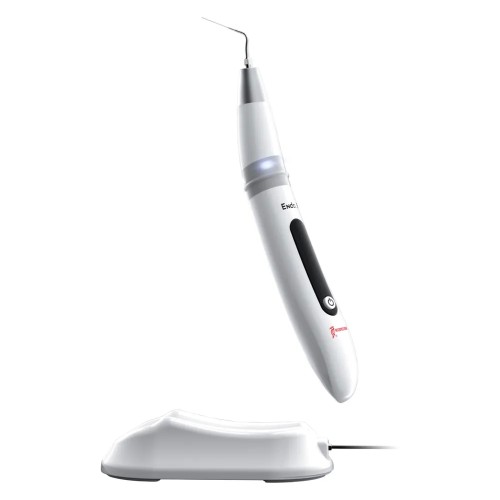
An Endo Activator is a sonic or mechanical device designed to agitate irrigants inside the root canal system. It uses sonic energy to create vigorous fluid movement, which helps: (Endo Activator Use)
- Dislodge debris and smear layer,
- Enhance irrigant penetration into lateral canals and dentinal tubules,
- Improve overall disinfection.
Common systems, such as the Dentsply Sirona EndoActivator, utilize flexible polymer tips that are non-cutting and safe, making them ideal for activation without altering canal shape.
Why Use an Endo Activator?
Traditional syringe irrigation often results in stagnant zones within the canal. The Endo Activator disrupts this stagnation through acoustic streaming and cavitation, resulting in:
- Improved irrigant exchange,
- Better smear layer removal,
- Enhanced penetration of irrigants like NaOCl, EDTA, and CHX,
- Reduced bacterial load, even in hard-to-reach areas.
Ultimately, it leads to cleaner canals and improved long-term success rates.
Tips for Using Endo Activators use Effectively
1. Choose the Right Tip Size
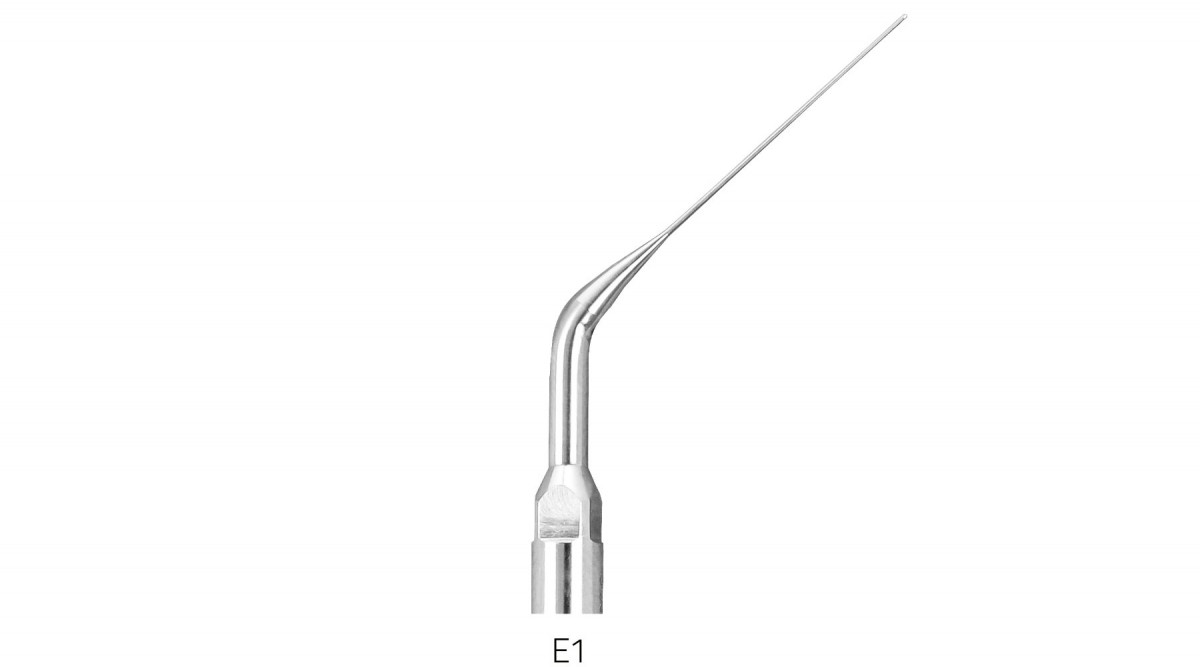
Select a tip that fits loosely within the prepared canal, typically 2 mm short of the working length. The tip should not bind against canal walls, as free movement ensures optimal agitation.
2. Use Adequate Irrigant Volume
Activation is most effective when the canal is filled with sufficient irrigant. Maintain continuous fluid inside the chamber — dry activation reduces efficacy and may damage dentin.
3. Maintain Proper Activation Time
For best results, activate each irrigant (e.g., NaOCl, EDTA) for 20–30 seconds per canal. Multiple cycles can be repeated depending on canal complexity.
4. Keep the Tip in Motion
Avoid keeping the tip static. Use gentle up-and-down movements (2–3 mm amplitude) to ensure dynamic fluid movement and prevent blockage or splatter.
5. Follow a Sequential Irrigation Protocol
A recommended sequence may be:
- Sodium hypochlorite (NaOCl) – disinfectant
- EDTA – removes smear layer
- Final NaOCl rinse – neutralizes and cleans residual debris
Activating each solution enhances its effectiveness significantly.
6. Clean and Inspect Tips Regularly
Polymer tips can wear out or accumulate debris. Rinse, disinfect, and inspect them regularly. Replace tips that show signs of bending, fraying, or loss of flexibility.
7. Combine with Effective Irrigation Techniques
Endo activation works best as part of a complete irrigation protocol, including pre-flaring, apical patency, and proper drying. Integration, not isolation, is key to predictable results.
Common Mistakes to Avoid
- Using the activator in a dry canal – always ensure sufficient irrigant.
- Binding the tip within the canal – can cause breakage or reduce energy transfer.
- Insufficient irrigation time – short activation cycles limit effectiveness.
- Ignoring manufacturer guidelines – each system has unique operational parameters.
Conclusion
The Endo Activator is a valuable addition to modern endodontic practice. When used correctly, it enhances irrigant performance, promotes better canal cleanliness, and contributes to long-term treatment success.
By following these practical tips — proper tip selection, activation time, and irrigation sequence — clinicians can unlock the full potential of sonic irrigation technology and achieve superior clinical outcomes.