Rubber Dam Application in Pediatric Dentistry – Pediatric Rubber Dam Tools
Maintaining a dry, clean, and controlled field is essential for successful dental treatment, especially in pediatric patients where cooperation can be challenging. The rubber dam is one of the most effective isolation techniques in dentistry. In pediatric dentistry, its application ensures safety, efficiency, and comfort while enabling the dentist to perform procedures with precision.
This blog explores the importance of rubber dam application in pediatric dentistry and highlights the specialized tools used for children.
Why Use a Rubber Dam in Pediatric Dentistry?
Children often struggle with sitting still, tolerating water spray, and keeping their mouths open for long durations. A rubber dam addresses these challenges by:
- Providing isolation: Keeps the treatment field free from saliva, blood, and moisture.
- Enhancing safety: Prevents accidental swallowing or aspiration of instruments, dental materials, and small objects.
- Improving visibility: Offers a clear, dry working area for better accuracy.
- Reducing stress: Children are less anxious when they don’t experience constant water spray or taste of dental materials.
- Ensuring quality restorations: Especially important for adhesive procedures like composite restorations.
Pediatric Rubber Dam Application
The application of a rubber dam in children follows the same principles as in adults, but with certain modifications:
- Patient preparation – Explaining the procedure in a child-friendly way is crucial. Using “tell-show-do” techniques helps build trust.
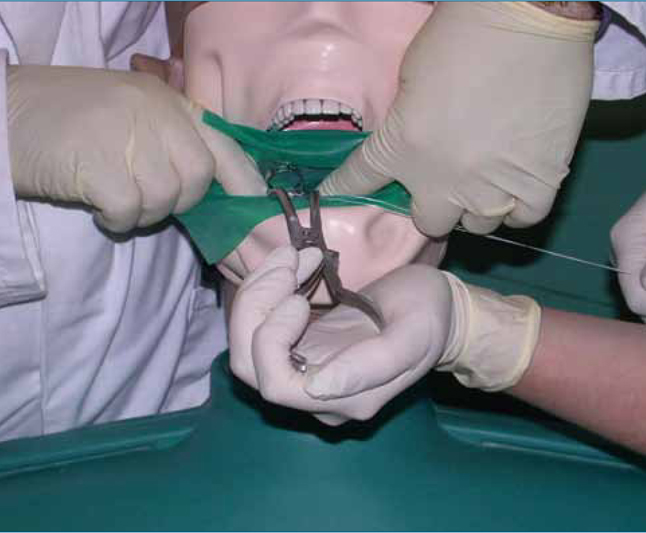
- Clamp selection – Special pediatric clamps are designed to fit smaller primary teeth and young permanent teeth.
- Punching dam sheets – Holes are punched closer together due to smaller arch dimensions.
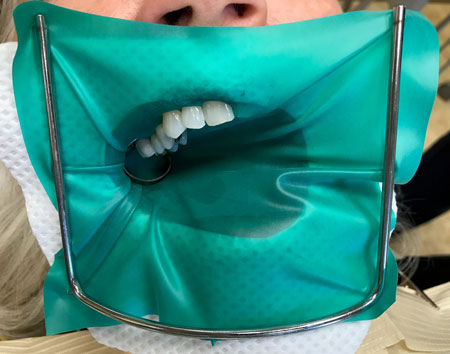
- Dam placement – Pediatric frames are lighter, flexible, and sometimes decorated to make them more acceptable to children.
- Comfort adjustments – Pre-flossing contacts, lubricating the dam, and using topical anesthetic around the gingiva can improve comfort.
Essential Pediatric Rubber Dam Tools
To ensure success in children, specialized tools have been developed for pediatric rubber dam application:
- Rubber Dam Sheets: Available in smaller sizes (usually 5×5 inches) and softer latex or latex-free material for easy placement.
- Rubber Dam Punch: Used to create holes for teeth; pediatric versions allow precise, closely spaced hole punching.
- Rubber Dam Frame: Lightweight, smaller frames (plastic or metal) designed to fit a child’s face comfortably.
- Rubber Dam Clamps: Special pediatric clamps such as W2A, 8A, 14A, or specially designed pedo clamps provide secure placement on primary molars and young permanent molars.
- Clamp Forceps: Used to place and remove clamps safely; pediatric forceps may be smaller for easier maneuverability.
- Floss or Ligatures: Used for securing the dam around teeth, especially helpful for anterior teeth.
Tips for Successful Rubber Dam Use in Children
- Always choose the right clamp size to avoid trauma.
- Use topical anesthesia before clamp placement to minimize discomfort.
- Make the experience fun – some dentists refer to the dam as a “tooth raincoat” or “superhero mask” to reduce fear.
- Begin with shorter procedures to help the child adapt.
- Keep communication simple, encouraging, and positive throughout the procedure.
Conclusion
The rubber dam is an invaluable tool in pediatric dentistry, offering safety, efficiency, and better clinical outcomes. With specialized pediatric tools, its application has become easier and more comfortable for young patients. By combining the right instruments with child-friendly behavior management techniques, dentists can make the experience positive while ensuring the highest quality of care.