
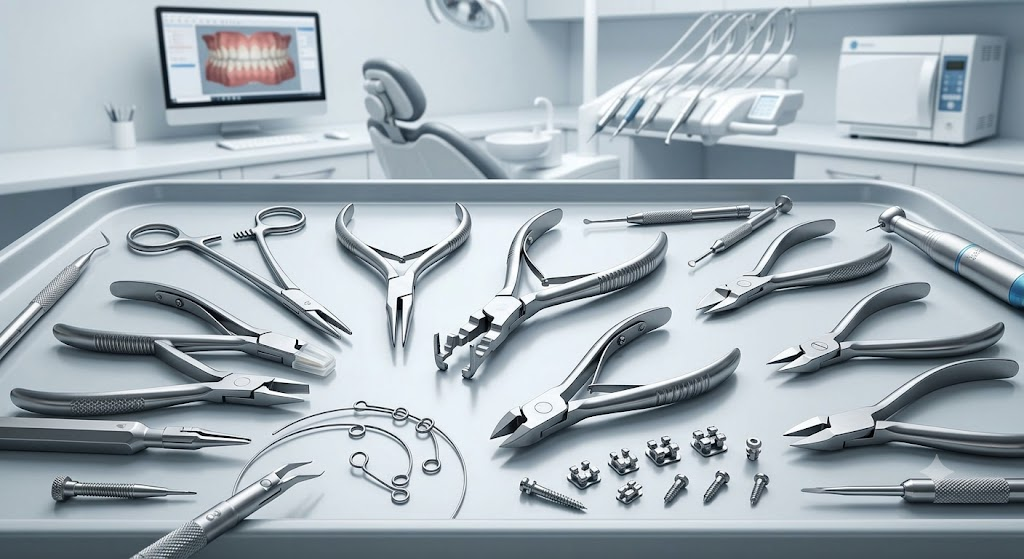
Complex orthodontic treatments demand more than clinical expertise they require advanced orthodontic instruments engineered for precision, durability, and efficiency. Whether managing severe malocclusions, impacted teeth, skeletal discrepancies, or intricate wire adjustments, choosing the right orthodontic tools for complex cases significantly improves treatment outcomes and enhances patient comfort (Orthodontic Tools for Complex Cases).
This comprehensive guide explores the most essential advanced orthodontic instruments, their clinical applications, selection criteria, maintenance practices, and emerging innovations shaping the future of orthodontics (Orthodontic Tools for Complex Cases).
Modern orthodontics has evolved beyond standard pliers and cutters. Today’s specialists rely on highly specialized orthodontic hand instruments, ergonomic designs, premium surgical stainless steel, and precision-engineered tips that allow them to perform even the most challenging procedures with confidence.
Why Complex Orthodontic Cases Require Advanced Instruments
Simple orthodontic cases often involve straightforward bracket placement and routine archwire adjustments. Complex treatments, however, present unique challenges such as:
- Severe crowding
- Impacted canines
- Open bite correction
- Deep bite management
- Crossbite treatment
- Surgical orthodontic cases
- Adult orthodontics
- Orthognathic treatment preparation
- Multi-loop wire mechanics
- Temporary anchorage devices (TADs)
These situations demand exceptional control, making professional orthodontic tools essential for predictable results.
Using inferior instruments can lead to:
- Wire deformation
- Bracket damage
- Increased chair time
- Patient discomfort
- Reduced treatment accuracy
- Higher maintenance costs
Essential Advanced Orthodontic Instruments for Complex Cases
1. Advanced Orthodontic Pliers
Orthodontic pliers are among the most frequently used instruments in specialist practice.
Common Types
- Bird Beak Pliers
- Weingart Pliers
- How Pliers
- Three-Prong Pliers
- Utility Pliers
- Loop Forming Pliers
- Torque Forming Pliers
- Light Wire Pliers
Clinical Applications
- Wire bending
- Loop formation
- Torque adjustments
- Appliance activation
- Ligature handling
- Spring fabrication
Premium orthodontic wire bending pliers feature finely aligned tips that minimize wire distortion while delivering consistent bending accuracy.
Distal End Cutters
One of the most important orthodontic treatment instruments, distal end cutters allow clinicians to trim excess archwire safely.
Advanced versions include:
- Safety hold mechanism
- Flush cutting design
- Tungsten carbide inserts
- Precision cutting edges
- Ergonomic handles
Benefits include:
- Reduced soft tissue injuries
- Faster appointments
- Cleaner cuts
- Better patient comfort
Bracket Removing Pliers
Debonding requires precision to prevent enamel damage.
High-quality bracket removing pliers provide:
- Controlled pressure
- Secure bracket grip
- Reduced fracture risk
- Comfortable handling
Modern designs minimize patient discomfort during appliance removal.
Ligature Cutters
Ligature cutters are engineered for:
- Stainless steel ligatures
- Soft wire trimming
- Precise cuts
- Minimal operator effort
Premium cutting edges remain sharp even after repeated sterilization cycles.
Mathieu Needle Holders
Used extensively during:
- Elastomeric ligature placement
- Elastic chain insertion
- Fine appliance adjustments
Specialists appreciate their locking mechanism and excellent grip.
Weingart Utility Pliers
A versatile instrument used for:
- Archwire placement
- Wire removal
- Appliance positioning
- General orthodontic adjustments
Their long, tapered beaks provide superior accessibility in posterior regions.
Band Removing Pliers
Removing orthodontic bands without damaging enamel requires specially designed pliers that distribute force evenly across the tooth.
Features include:
- Plastic bite pads
- Stable grip
- Reduced enamel stress
- Comfortable leverage
Adhesive Removing Instruments
Following bracket removal, clinicians must eliminate residual bonding material.
Specialized instruments help achieve:
- Smooth enamel surfaces
- Controlled adhesive removal
- Reduced polishing time
- Enhanced finishing results
Precision Orthodontic Instruments for Wire Bending
Wire bending remains one of the most technically demanding orthodontic procedures.
Advanced instruments assist in fabricating:
- Closing loops
- T-loops
- Omega loops
- Helical loops
- Utility arches
- Torque bends
Precision manufacturing ensures repeatable results while reducing clinician fatigue.
Orthodontic Instrument Kit for Specialist Practices
A complete orthodontic instrument kit typically includes:
| Instrument | Primary Function |
|---|---|
| Bird Beak Pliers | Wire bending |
| Weingart Pliers | Wire placement |
| Distal End Cutter | Wire cutting |
| Ligature Cutter | Ligature trimming |
| Mathieu Holder | Elastic placement |
| Bracket Positioning Tweezer | Bracket placement |
| Bracket Removing Pliers | Debonding |
| Utility Pliers | General adjustments |
| How Pliers | Wire handling |
| Band Removing Pliers | Band removal |
Comprehensive kits reduce workflow interruptions and improve procedural efficiency.
Material Quality Matters
Premium dental orthodontic instruments are typically manufactured using:
German Stainless Steel
Advantages include:
- Corrosion resistance
- High tensile strength
- Long service life
- Excellent polish
Tungsten Carbide Inserts
Commonly used in cutting instruments because they offer:
- Exceptional hardness
- Longer edge retention
- Cleaner cuts
- Reduced maintenance
Ergonomic Design Improves Performance
Modern orthodontic equipment emphasizes ergonomics.
Features include:
- Lightweight construction
- Balanced weight distribution
- Non-slip grip
- Reduced hand fatigue
- Improved tactile feedback
These improvements benefit clinicians performing multiple procedures daily.
Sterilization Considerations
Reliable sterilization is essential for maintaining instrument longevity.
Best practices include:
- Ultrasonic cleaning before sterilization
- Proper lubrication of hinged instruments
- Autoclaving according to manufacturer guidelines
- Thorough drying before storage
- Routine inspection for wear
Proper maintenance extends instrument lifespan and preserves cutting efficiency.

Choosing the Right Orthodontic Instruments
When selecting specialist orthodontic tools, consider:
Clinical Precision
Accurate tip alignment ensures reliable performance.
Build Quality
Choose forged stainless steel over cast alternatives.
Cutting Performance
Look for tungsten carbide cutting inserts.
Comfort
Ergonomic handles reduce repetitive strain.
Sterilization Compatibility
Verify repeated autoclave resistance.
Manufacturer Reputation
Established manufacturers often provide superior quality control and consistency.
Common Mistakes to Avoid
Many practices unintentionally reduce instrument performance by:
- Using orthodontic pliers on unsuitable wire types
- Overloading cutting instruments
- Delaying sharpening or replacement
- Improper sterilization
- Mixing damaged instruments with functional sets
Routine maintenance minimizes costly replacements.
Emerging Innovations in Advanced Orthodontic Instruments
The orthodontic industry continues to evolve with innovations including:
Non-Stick Coatings
Reduce adhesive buildup during bonding procedures.
Enhanced Tungsten Carbide Technology
Improves cutting precision and durability.
Laser-Marked Instruments
Simplify inventory management and identification.
Improved Ergonomic Handles
Increase clinician comfort during extended procedures.
Precision CNC Manufacturing
Produces tighter tolerances and more consistent instrument quality.
Benefits of Investing in High-Quality Orthodontic Instruments
Clinics using premium instruments often experience:
- Greater treatment precision
- Improved workflow efficiency
- Reduced procedure time
- Enhanced patient satisfaction
- Longer instrument lifespan
- Lower replacement costs
- Better clinical outcomes
Although premium instruments require a higher initial investment, their long-term reliability often results in lower overall operational costs.
Conclusion
Treating complex orthodontic cases requires both clinical expertise and dependable instrumentation. From orthodontic wire bending pliers and distal end cutters to bracket removing pliers and complete orthodontic instrument kits, every tool plays a vital role in achieving predictable, efficient, and patient-friendly treatment outcomes.
Investing in advanced orthodontic instruments manufactured from premium stainless steel with ergonomic designs and precision engineering enables orthodontists to work with greater confidence, accuracy, and consistency. As orthodontic technology continues to evolve, selecting high-quality orthodontic tools for complex cases remains one of the smartest investments for any specialist practice committed to delivering exceptional care.xplore our catalog of advanced orthodontic instruments designed for the demands of today’s specialists.
Frequently Asked Questions
Essential instruments include Bird Beak Pliers, Weingart Pliers, Distal End Cutters, Bracket Removing Pliers, Ligature Cutters, Mathieu Holders, Utility Pliers, and precision wire bending pliers.
They remain sharper for longer, produce cleaner cuts, and significantly extend the lifespan of cutting instruments.
Replacement depends on usage, maintenance, and sterilization practices. Premium instruments maintained correctly can remain effective for many years.
Yes. Ergonomic designs reduce clinician fatigue, improve control, and enhance precision during lengthy orthodontic procedures.
High-quality German stainless steel combined with tungsten carbide inserts offers excellent durability, corrosion resistance, and precision.