
Orthodontic treatment depends on precision, and one of the most critical aspects is achieving strong, reliable bracket adhesion. Even the highest-quality orthodontic adhesive can fail if brackets are not seated correctly during bonding. This is where the orthodontic bite stick becomes an indispensable instrument.
An orthodontic bite stick helps orthodontists apply controlled pressure to brackets immediately after placement, ensuring intimate contact between the bracket base and the tooth surface. Proper use minimizes adhesive voids, improves bond strength, reduces bracket failures, and contributes to successful treatment outcomes.
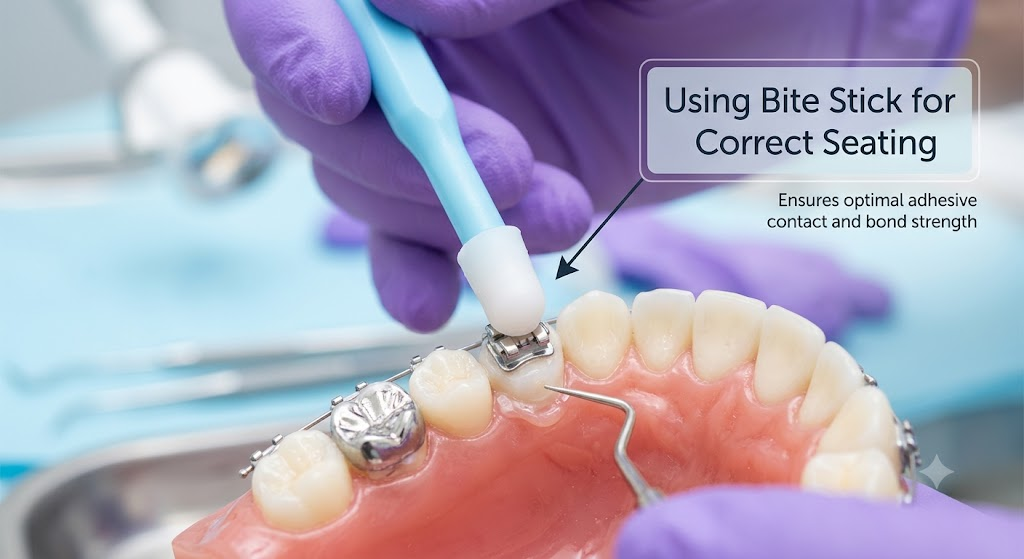
This comprehensive guide explains what orthodontic bite sticks are, how they work, their clinical benefits, proper usage techniques, maintenance, and why they are an essential tool in every orthodontic practice.
What Is an Orthodontic Bite Stick?
An orthodontic bite stick is a handheld instrument designed to apply even, controlled pressure over orthodontic brackets immediately after they are positioned on the tooth.
Typically featuring a comfortable handle and a resilient tip made from medical-grade silicone or similar material, the bite stick enables clinicians to seat brackets firmly without damaging the bracket or causing discomfort to the patient.
Its primary role is to improve the adaptation of the bracket base to the enamel surface before the adhesive is cured.
Why Proper Bracket Adhesion Matters
Bracket bonding is one of the most important steps in fixed orthodontic treatment. Poor adhesion can lead to:
- Bracket debonding
- Increased chair time
- Emergency appointments
- Delayed treatment progress
- Additional material costs
- Patient inconvenience
- Reduced treatment efficiency
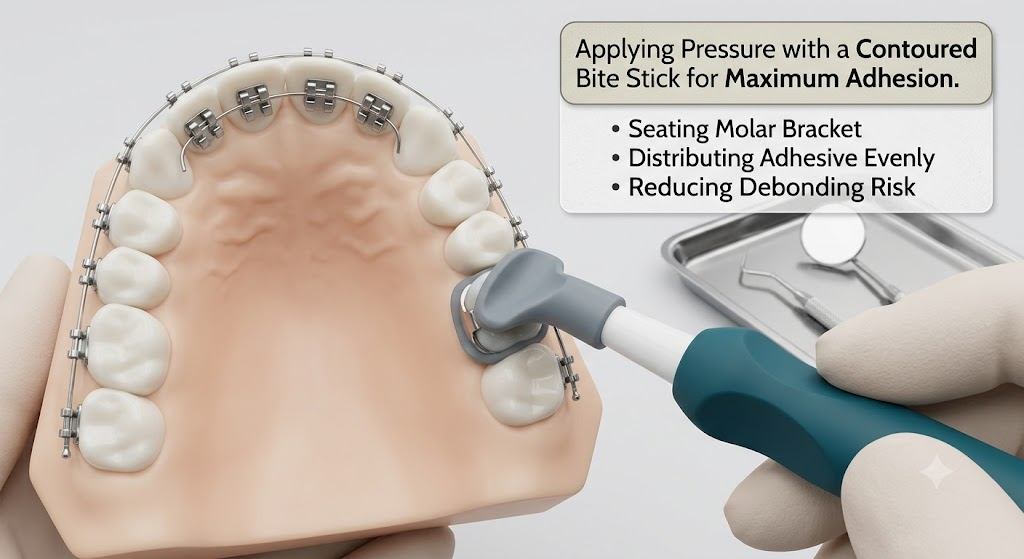
Proper pressure during bracket placement ensures maximum contact between the adhesive and the tooth surface while eliminating unnecessary gaps that could weaken the bond.
What Is a Bite Stick Used For?
The primary purpose of an orthodontic bite stick is to seat brackets uniformly after adhesive placement.
Common applications include:
- Seating metal brackets
- Bonding ceramic brackets
- Aligning self-ligating brackets
- Improving adhesive distribution
- Removing trapped air beneath brackets
- Enhancing bracket adaptation
- Supporting indirect bonding procedures
- Improving overall bond reliability
How an Orthodontic Bite Stick Works
Once adhesive is applied to the bracket base and the bracket is positioned on the prepared tooth surface, the clinician gently presses the bite stick against the bracket.
The applied pressure:
- Compresses the adhesive evenly
- Eliminates air pockets
- Improves adaptation to enamel
- Stabilizes bracket position
- Reduces adhesive thickness inconsistencies
- Creates a stronger mechanical bond
After seating the bracket, excess adhesive is removed before light curing.
Step-by-Step Guide to Using a Bite Stick
1. Prepare the Tooth
Clean the enamel thoroughly.
Etch, rinse, and dry according to the adhesive manufacturer’s instructions.
2. Apply Orthodontic Adhesive
Place the recommended amount of adhesive on the bracket base.
Avoid excessive adhesive.
3. Position the Bracket
Accurately place the bracket on the tooth using bracket positioning instruments.
4. Use the Bite Stick
Place the bite stick directly over the bracket.
Apply gentle, controlled pressure for several seconds.
Avoid excessive force that could shift bracket positioning.
5. Remove Excess Adhesive
Use an explorer or scaler to remove flash around the bracket.
6. Light Cure
Polymerize the adhesive according to the manufacturer’s recommended curing time.
Benefits of Using an Orthodontic Bite Stick
Improved Bond Strength
Proper seating increases adhesive contact, resulting in stronger bracket adhesion.
Fewer Bond Failures
Reduced air pockets decrease the risk of bracket debonding.
Consistent Bracket Placement
Uniform pressure promotes consistent positioning across the dental arch.
Better Adhesive Distribution
The bite stick spreads adhesive evenly beneath the bracket.
Increased Treatment Efficiency
Reduced bracket failures mean fewer emergency visits and shorter overall treatment time.
Enhanced Patient Comfort
Smooth seating minimizes unnecessary manipulation during bonding.
Better Clinical Outcomes
Stable brackets contribute to more predictable tooth movement.
Features of High-Quality Orthodontic Bite Sticks
When selecting a bite stick, look for:
- Medical-grade silicone tip
- Comfortable ergonomic handle
- Non-slip grip
- Sterilizable construction
- Durable materials
- Flexible pressure tip
- Lightweight design
- Excellent tactile control
- Chemical resistance
- Long service life
Types of Orthodontic Bite Sticks
Silicone Bite Stick
The most commonly used version due to its flexibility and patient comfort.
Advantages
- Soft pressure
- Comfortable
- Durable
- Easy to sterilize
Rubber-Tipped Bite Stick
Offers slightly firmer pressure while protecting bracket surfaces.
Disposable Bite Stick
Ideal for practices emphasizing single-use infection control protocols.
Reusable Bite Stick
Manufactured from autoclavable materials for repeated clinical use.
Bite Stick vs Bracket Positioning Instrument
| Bite Stick | Bracket Positioning Instrument |
|---|---|
| Applies seating pressure | Positions bracket precisely |
| Improves adhesive adaptation | Determines bracket height |
| Used after placement | Used during placement |
| Enhances bond strength | Improves positioning accuracy |
Both instruments complement each other during orthodontic bonding.
Common Mistakes When Using Bite Sticks
Avoid these errors:
- Applying excessive pressure
- Moving the bracket during seating
- Using damaged bite stick tips
- Skipping adhesive cleanup
- Using worn instruments
- Not sterilizing reusable bite sticks
- Applying uneven pressure
- Seating after adhesive begins curing
Cleaning and Sterilization
Reusable orthodontic bite sticks should be cleaned immediately after use.
Recommended protocol:
- Remove visible debris.
- Wash with enzymatic detergent.
- Rinse thoroughly.
- Dry completely.
- Sterilize in an autoclave according to manufacturer instructions.
- Store in sterile packaging.
Always inspect the silicone tip before reuse.
Choosing the Right Orthodontic Bite Stick
Consider the following:
- Compatibility with bracket systems
- Autoclavable construction
- Comfortable grip
- High-quality silicone tip
- Resistance to repeated sterilization and Durability
- Ease of handling
Conclusion
An orthodontic bite stick may appear to be a simple instrument, but it plays a vital role in achieving durable bracket adhesion and predictable orthodontic outcomes. By applying consistent pressure during bracket bonding, clinicians can improve adhesive adaptation, reduce bracket failures, and enhance treatment efficiency.
Whether used in routine fixed appliance therapy or advanced orthodontic procedures, a high-quality bite stick supports accurate bracket placement, minimizes clinical complications, and contributes to long-term treatment success. Investing in reliable orthodontic bonding instruments and following proper bonding protocols ensures better results for both clinicians and patients.
Frequently Asked Questions (FAQs)
What is an orthodontic bite stick?
An orthodontic bite stick is a handheld instrument used to apply controlled pressure to orthodontic brackets during bonding, improving adhesion and seating accuracy.
Why is a bite stick important?
It helps eliminate air pockets, distributes adhesive evenly, and strengthens the bond between the bracket and enamel.
Can bite sticks be sterilized?
Most reusable orthodontic bite sticks are autoclavable, but always follow the manufacturer’s sterilization instructions.
Do bite sticks reduce bracket failures?
Yes. Proper bracket seating significantly reduces the risk of bond failures caused by inadequate adhesive adaptation.
Are bite sticks used with ceramic brackets?
Yes. Bite sticks can be safely used with both ceramic and metal orthodontic brackets.
How much pressure should be applied?
Only gentle, controlled pressure is required. Excessive force can alter bracket positioning or express too much adhes