
In restorative dentistry, the final outcome of a procedure often depends on the smallest details. One of those critical details is margin adaptation—the precise sealing and contouring of restorative material against tooth structure. Even when the preparation and placement are perfect, inadequate marginal adaptation can lead to microleakage, secondary caries, and restoration failure.
Among the essential instruments used for this purpose, burnishers play a key role. Two commonly used designs—ball burnishers and beaver tail burnishers—serve distinct yet complementary functions in achieving optimal restoration quality. Understanding their differences and applications is essential for predictable clinical success.
What Are Burnishers in Dentistry?
Burnishers are hand instruments used to smooth, contour, and adapt restorative materials such as amalgam or composite resins. Their primary function is to improve surface finish and ensure close adaptation of material to cavity walls and margins.
Proper burnishing helps:
- Improve marginal seal
- Enhance anatomical form
- Reduce surface irregularities
- Increase restoration longevity
Among various designs, ball and beaver tail burnishers are most widely used for margin adaptation.
Ball Burnishers: Precision at the Margins
Design Characteristics
Ball burnishers feature a smooth, spherical working end in various sizes. This rounded tip allows for controlled, localized pressure on restorative materials.
Clinical Function
Ball burnishers are primarily used for:
- Refining occlusal anatomy
- Adapting material into narrow margins and line angles
- Smoothing small irregularities
- Enhancing marginal sealing in confined areas
Best Applications
- Class I and Class II restorations
- Deep or narrow cavity margins
- Final contouring of amalgam surfaces
- Fine adaptation around cusps and grooves
Clinical Advantage
Their spherical tip provides high precision control, making them ideal for delicate margin refinement without over-spreading the material.
Beaver Tail Burnishers: Broad Surface Adaptation
Design Characteristics
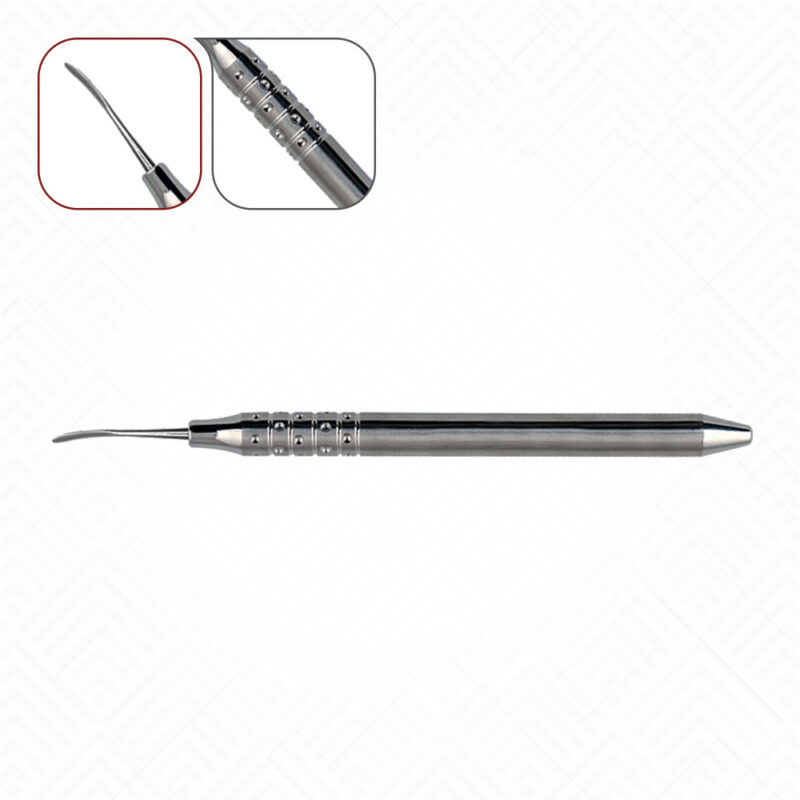
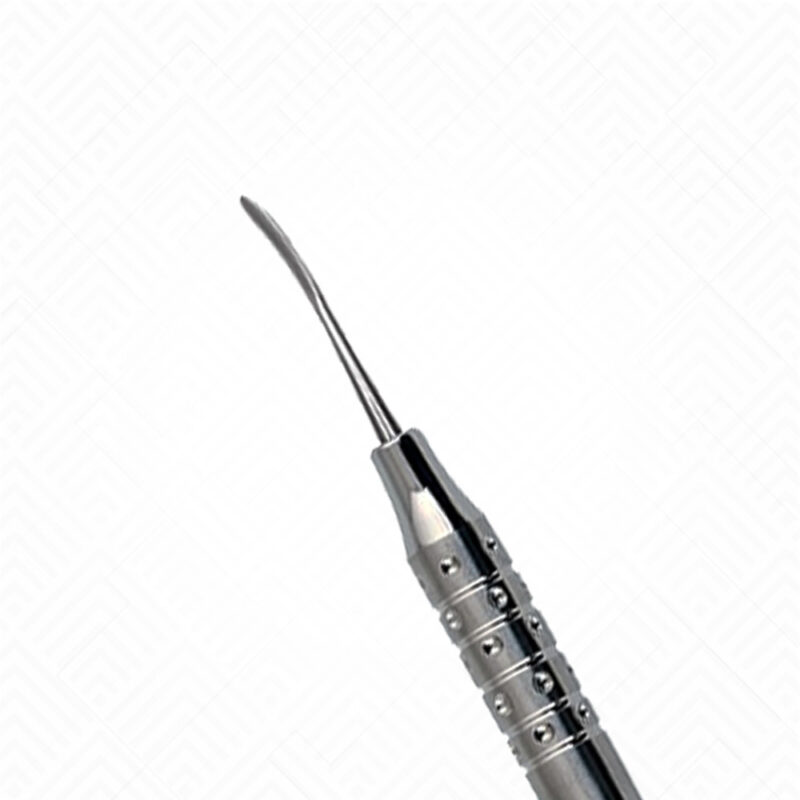
Beaver tail burnishers have a flat, wide, paddle-like working end resembling a beaver’s tail. This design is optimized for broader surface contact.
Clinical Function
They are used to:
- Smooth and contour larger restoration surfaces
- Adapt material along extended margins
- Create uniform surface continuity
- Reduce surface irregularities efficiently
Best Applications
- Large Class II and MOD restorations
- Buccal and lingual surface adaptation
- Initial contouring before final polishing
- Amalgam condensation finishing stages
Clinical Advantage
Their wide surface allows for efficient material distribution and smoothing, reducing working time while ensuring uniform adaptation.
Ball vs. Beaver Tail Burnishers: Key Differences
| Feature | Ball Burnisher | Beaver Tail Burnisher |
|---|---|---|
| Working End | Spherical | Flat and broad |
| Precision | High precision | Moderate precision |
| Contact Area | Small, localized | Wide, surface-based |
| Best Use | Marginal detailing | Surface contouring |
| Restoration Stage | Final refinement | Initial to mid contouring |
Choosing the Right Burnisher for Different Restorations
1. Amalgam Restorations
- Beaver tail burnisher: Used for initial adaptation and contouring
- Ball burnisher: Used for refining margins and anatomical grooves
2. Composite Restorations
- Ball burnisher helps in gentle adaptation without disrupting resin structure
- Beaver tail supports smooth layering and surface blending
3. Complex Restorations (MOD, extensive cavities)
- Combination of both instruments ensures:
- Proper bulk adaptation (beaver tail)
- Accurate marginal sealing (ball burnisher)
Why Margin Adaptation Matters So Much
Poor marginal adaptation can lead to:
- Microleakage
- Post-operative sensitivity
- Secondary caries formation
- Reduced restoration lifespan
Using the correct burnisher design ensures that restorative material:
- Adapts intimately to cavity walls
- Forms a tight seal at margins
- Maintains anatomical integrity under functional load
Clinical Tip for Better Results
For predictable outcomes:
- Start with beaver tail burnisher for broad adaptation and contouring
- Finish with ball burnisher for precise marginal refinement
- Always apply controlled, gentle pressure to avoid over-thinning material
Conclusion
Both ball and beaver tail burnishers are indispensable tools in restorative dentistry, but their effectiveness lies in understanding their distinct roles. While the beaver tail burnisher excels in shaping and broad adaptation, the ball burnisher delivers precision at critical margins.
When used correctly and in combination, these instruments significantly enhance restoration quality, ensuring stronger margins, better aesthetics, and long-term clinical success.