
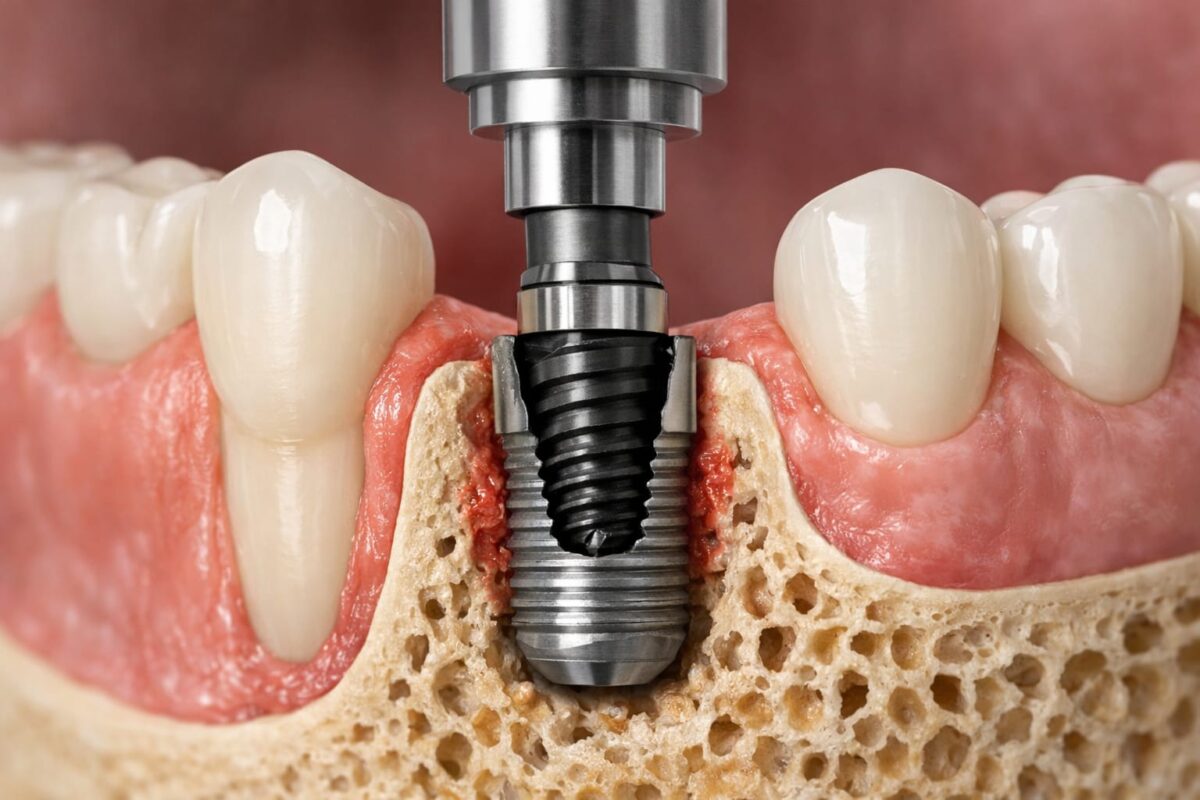
Dental implants have transformed restorative dentistry, offering long-term, reliable solutions for missing teeth. However, implant failure—though relatively uncommon—can occur due to factors such as peri-implantitis, poor osseointegration, mechanical overload, or improper placement. In such cases, safe and efficient implant removal becomes essential.
Among the most advanced solutions available today are reverse thread implant removal instruments, designed to extract failed implants with precision while preserving surrounding bone.
Why Implant Removal Requires Specialized Instruments
Removing a failed implant is not as simple as extracting a natural tooth. Dental implants are typically Osseo integrated, meaning they are firmly bonded to the surrounding bone. Traditional removal methods can:
- Cause excessive bone loss
- Damage adjacent anatomical structures
- Complicate future implant placement
This is where reverse thread technology offers a minimally invasive and controlled alternative.
What Is Reverse Thread Design?
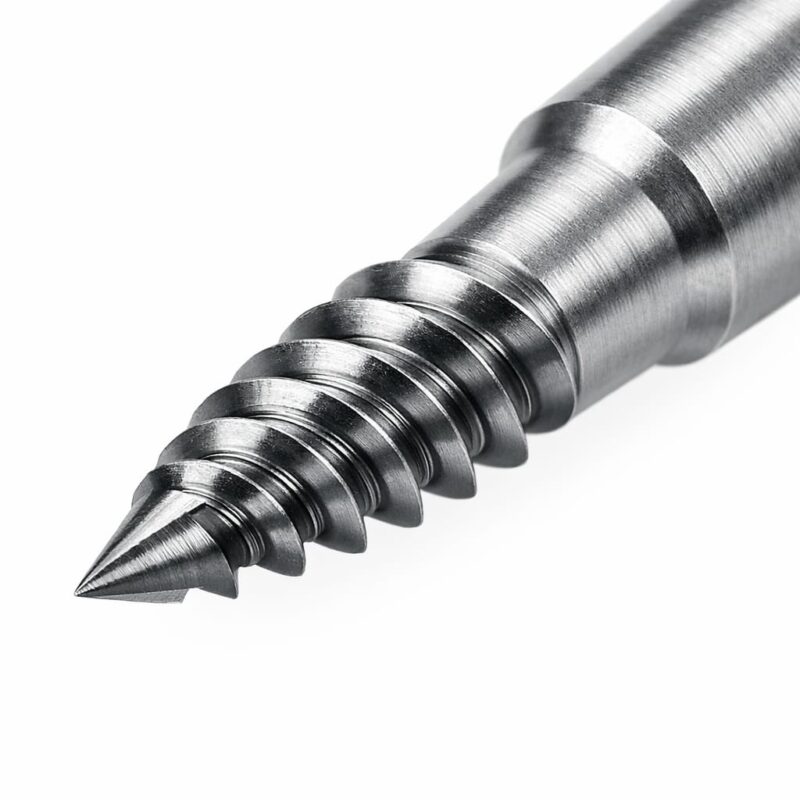
Reverse thread implant removal instruments feature a counterclockwise (left-handed) threading mechanism that engages the internal structure of the implant.
How it works:
- The instrument is inserted into the implant’s internal connection
- As counterclockwise torque is applied, the reverse threads lock into the implant
- Continued rotation gradually unscrews the implant from the bone
This method essentially reverses the original insertion process, allowing for atraumatic removal.
Key Features of Reverse Thread Implant Removal Instruments
1. Secure Internal Engagement
Reverse thread tools are designed to fit various implant connection types (e.g., internal hex, conical). This ensures:
- Strong grip inside the implant
- Reduced risk of slippage
- Controlled force application
2. Atraumatic Extraction
Unlike trephine burs or aggressive drilling methods, reverse thread systems:
- Minimize bone removal
- Preserve the alveolar ridge
- Support immediate or early re-implantation
3. Torque-Controlled Removal
These instruments are often used with torque wrenches or ratchets, allowing clinicians to:
- Apply gradual, controlled force
- Avoid excessive stress on bone
- Monitor resistance during removal
4. Versatility and Compatibility
Modern implant removal kits include multiple sizes and adapters, making them compatible with a wide range of implant systems.
Clinical Benefits of Reverse Thread Design
1. Bone Preservation for Future Implants
Preserving bone volume is critical for successful re-implantation. Reverse thread instruments:
- Maintain socket integrity
- Reduce the need for bone grafting
- Enable immediate implant replacement in some cases
2. Reduced Surgical Trauma
Because the technique avoids extensive cutting or drilling:
- Soft tissue damage is minimized
- Healing time is improved
- Post-operative discomfort is reduced
3. Predictable and Controlled Procedure
The ability to feel resistance and adjust torque in real time provides clinicians with greater procedural confidence and safety.
4. Time Efficiency
Compared to traditional removal methods, reverse thread extraction is often:
- Faster
- Less technique-intensive (once mastered)
- More predictable in outcome
When to Use Reverse Thread Implant Removal Instruments
This technique is ideal in cases such as:
- Failed osseointegration
- Peri-implantitis with bone loss
- Mechanical failures (fractured screws, loose implants)
- Implants requiring repositioning
Limitations to Consider
While highly effective, reverse thread systems may not be suitable in every situation:
- Severely damaged or fractured implants may not allow internal engagement
- Extremely high osseointegration may require additional techniques
- Incorrect torque application can risk bone stress
In such cases, adjunctive methods like trephine burs may still be necessary.
Reverse Thread vs. Traditional Removal Methods
| Feature | Reverse Thread Instruments | Trephine/Drilling Methods |
|---|---|---|
| Bone Preservation | High | Moderate to Low |
| Invasiveness | Minimally invasive | More invasive |
| Precision | High | Moderate |
| Healing Time | Faster | Longer |
| Risk of Bone Loss | Low | Higher |
Best Practices for Clinicians
To maximize the effectiveness of reverse thread implant removal:
- Select the correct instrument size and connection type
- Use controlled, gradual torque (avoid sudden force)
- Ensure proper visibility and access
- Combine with irrigation if needed to reduce friction
- Be prepared with alternative techniques if resistance is too high
Conclusion
Reverse thread implant removal instruments represent a significant advancement in implant dentistry, offering a safer, more conservative approach to failed implant extraction. By preserving bone, reducing trauma, and improving procedural control, they play a crucial role in maintaining long-term treatment success.
For clinicians aiming to deliver predictable outcomes and enhance the patient comfort, incorporating reverse thread technology into their surgical toolkit is not just beneficial, it’s becoming essential.