
How to Sterilize Endodontic Instruments Properly – Sterilization of Endodontic Instruments
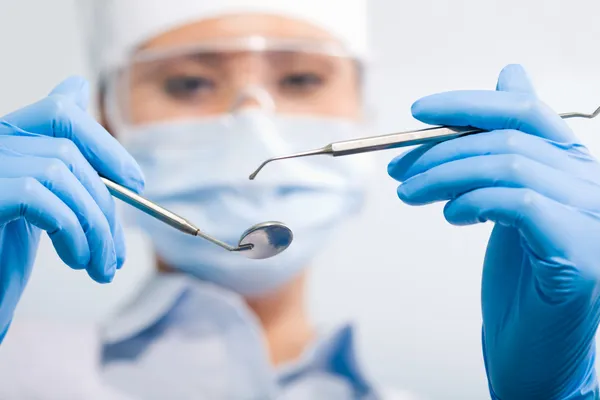
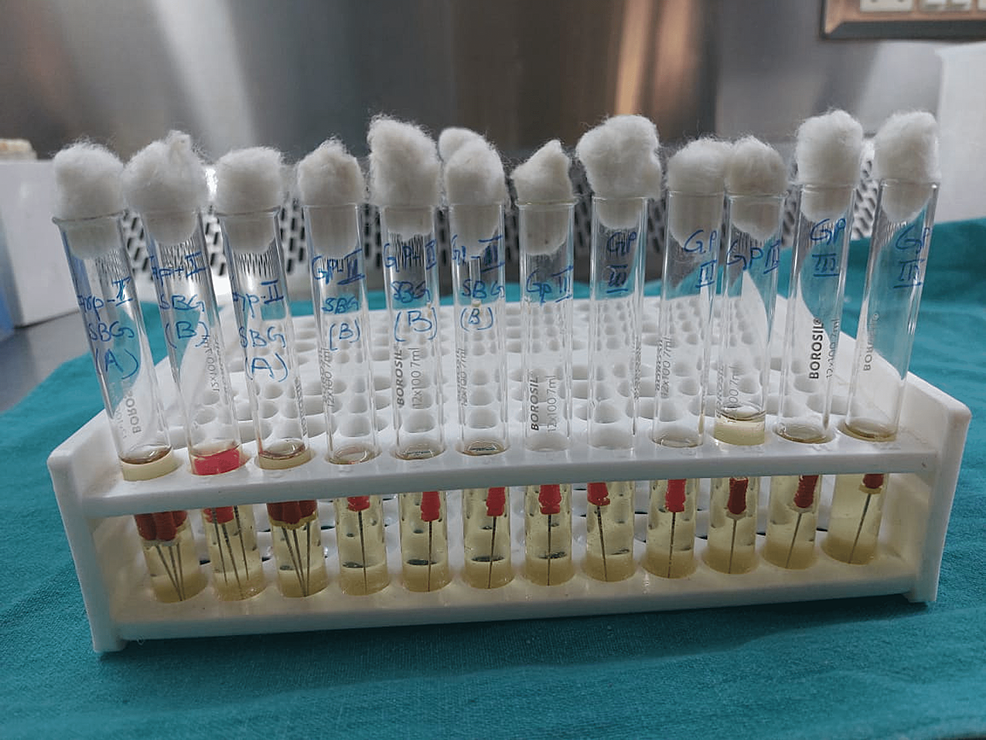
In endodontics, infection control is non-negotiable. Root canal procedures involve deep access into the tooth structure, where any lapse in sterilization can compromise patient safety and treatment success. Proper sterilization of endodontic instruments is critical to eliminate microorganisms, prevent cross-contamination, and maintain professional standards of care. This article outlines step-by-step methods, best practices, and essential tips for ensuring your endodontic instruments are sterilized correctly and safely.
Why Sterilization Matters in Endodontics
Endodontic instruments such as files, reamers, spreaders, and irrigating needles come into direct contact with pulpal tissue, blood, and potentially infectious materials.
Improper sterilization can lead to:
- Cross-infection between patients,
- Reduced instrument lifespan,
- Compromised root canal outcomes,
- Violation of clinical infection-control protocols.
Following a meticulous sterilization process ensures patient safety, clinical efficiency, and compliance with dental regulations.
Steps for Proper Sterilization of Endodontic Instruments
1. Pre-Cleaning and Immediate Decontamination
Immediately after use, rinse instruments under running water or immerse them in an enzymatic cleaner to remove debris and blood.
Avoid letting debris dry on the instruments—it makes cleaning more difficult and less effective later.
💡 Tip: Use a pre-soak solution designed for dental instruments to prevent organic matter from hardening.
2. Ultrasonic Cleaning
After manual rinsing, place the instruments in an ultrasonic cleaner with an approved detergent.
This process removes debris from hard-to-reach areas and prevents damage caused by aggressive manual scrubbing.
- Duration: 5–10 minutes
- Temperature: 35–45°C
- Use stainless steel baskets or cassettes to hold instruments safely.
✅ Ensure the ultrasonic unit is tested regularly for cavitation efficiency.
3. Rinse and Dry Thoroughly
Once ultrasonic cleaning is complete, rinse the instruments with distilled water and dry them completely with lint free cloth or air dryer.
Moisture can cause the corrosion and interfere with the sterilization cycles.
4. Inspect Instruments for Damage
Examine each instrument under magnification to check for:
- Corrosion or rust spots,
- Bending or unwinding of endodontic files,
- Fractures or cracks.
Dispose of damaged instruments properly. Reusing compromised tools poses serious clinical risks.
5. Packaging for Sterilization
Place the cleaned and dried instruments into sterilization pouches or cassettes.
Use self-sealing pouches that include sterilization indicators to confirm successful processing.
Label each pack with:
- Date,
- Sterilizer number,
- Cycle number, and
- Operator initials (for tracking and compliance).
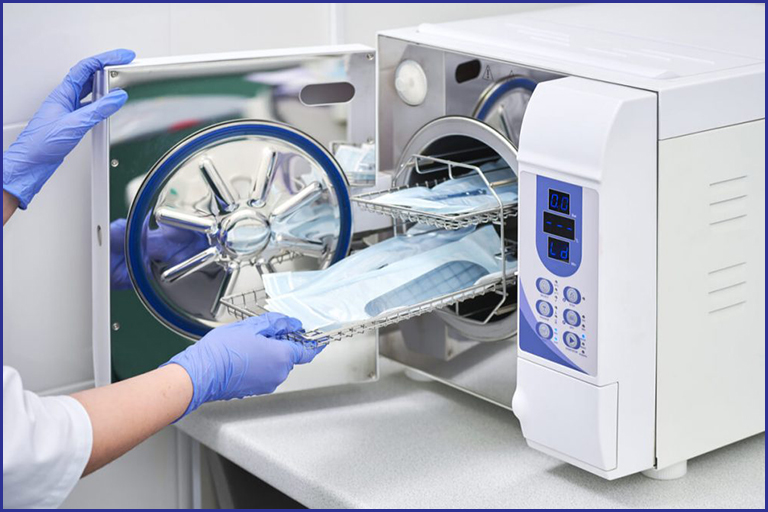
6. Steam Sterilization (Autoclaving)
Autoclaving is the gold standard for sterilizing endodontic instruments.
It uses pressurized steam to destroy all forms of microbial life, including spores.
Recommended Parameters:
- Temperature: 121–134°C
- Pressure: 15–30 psi
- Cycle time: 15–30 minutes (depending on autoclave type and load)
⚠️ Do not overload the chamber — allow steam to circulate freely around each pouch.
7. Post-Sterilization Handling
After the cycle:
- Allow instruments to cool inside the autoclave before handling.
- Store sterilized packs in a clean, dry cabinet away from contaminated areas.
- Do not open the pouches until ready for use.
❗ Never reprocess single-use instruments such as rotary NiTi files or irrigation needles.
Additional Best Practices
- Perform biological monitoring (spore tests) weekly to verify autoclave performance.
- Use chemical indicators with every load.
- Maintain a logbook for sterilization cycles and test results.
- Train all staff regularly on updated infection control protocols.
Common Mistakes to Avoid
- Skipping ultrasonic cleaning before autoclaving
- Overloading autoclave chambers
- Reusing single-use items
- Using tap water instead of distilled water in sterilizers
- Touching sterilized pouches with contaminated gloves
Conclusion
Proper sterilization of endodontic instruments is the foundation of safe and successful dental practice.
By following systematic cleaning, ultrasonic treatment, inspection, and autoclaving protocols, clinicians can ensure maximum infection control, instrument longevity, and patient trust.
A small investment in meticulous sterilization yields significant returns in clinical safety and professionalism.