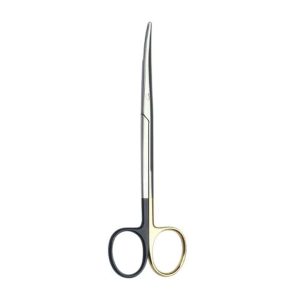
Excavators, Fig 14
Dental excavators are indispensable tools in modern restorative dentistry.
Firstly, Dentists use hand-held tools to remove decay, soft tissue, and debris during cavity preparation and filling placement.
As a result, Dental excavators enable precise work, ensuring successful, long-lasting restorations for patients.
The design of a dental excavator typically includes a handle and a thin, curved working end.
Dentists craft the working end to scrape or scoop out decayed tissue without damaging healthy tooth structure.
These tools come in various shapes and sizes for tasks like removing decay, refining cavity prep, and cleaning before filling placement.
One of the most commonly used types is the spoon excavator.
It features a spoon-shaped tip that allows dentists to easily scoop out soft, decayed material from a cavity.
Another variation is the wedelstaedt excavator, which has a more angled blade for precision access to difficult-to-reach areas of the tooth.
Dentists use dental excavators to refine cavity preparation before placing a filling, in addition to removing decay.
The goal is to ensure the cavity is clean, smooth, and free of debris, promoting optimal bonding between the tooth and the filling material.
The sharp, ergonomic design of excavators reduces complications and enhances the success of restorative treatments.
In conclusion, dental excavators are vital tools for ensuring the thorough removal of decay and proper cavity preparation.
Specialized tips and ergonomic handles enable dentists to perform effective procedures, ensuring long-term tooth health.