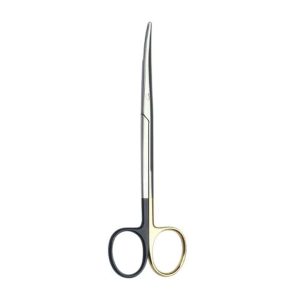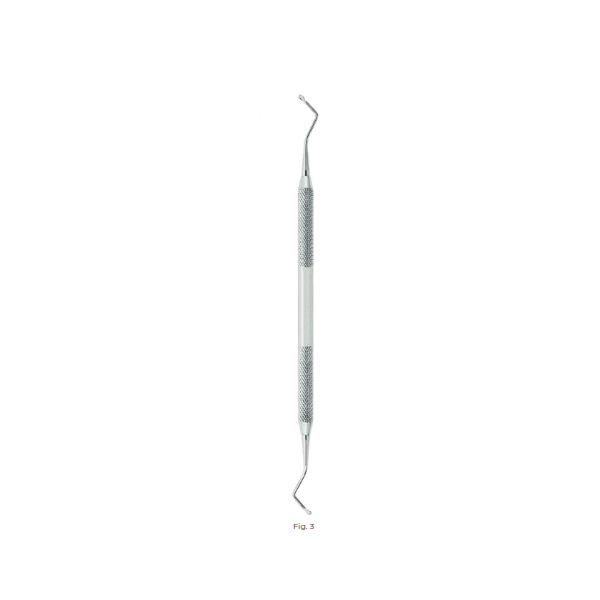
Excavators, Fig 0
Dentists use excavators to remove decay, soft tissue, and debris from teeth during restorative procedures.
Furthermore, Dental excavators ensure proper tooth preparation for fillings or other restorative treatments.
Their precision and efficiency in cleaning out cavities make them indispensable tools in modern dental practices.
A dental excavator has a handle and a curved end for scraping and scooping out decay from teeth.
The sharp working end allows dentists to remove decay without damaging healthy tooth structure.
Excavators come in various shapes and sizes, with different tips to suit diverse dental procedures and tooth locations.
Dentists commonly use the spoon excavator with its spoon-shaped tip to scoop out soft decay.
Dentists use them when a cavity requires removing a substantial amount of material.
Another common variety is the wedelstaedt excavator, which has a more angled blade, ideal for accessing hard-to-reach areas of the tooth.
Dentists use dental excavators to refine cavity preparation before placing a filling, in addition to decay removal.
Their ability to remove debris and provide a clean surface ensures that the filling adheres properly, reducing the risk of complications.
Excavators are essential tools for precise decay removal, ensuring successful restorative dental procedures.
With specialized tips and ergonomic design, dental excavators help dentists restore and preserve tooth health.